EMDOOR IPC · COMPANY INSIGHTS
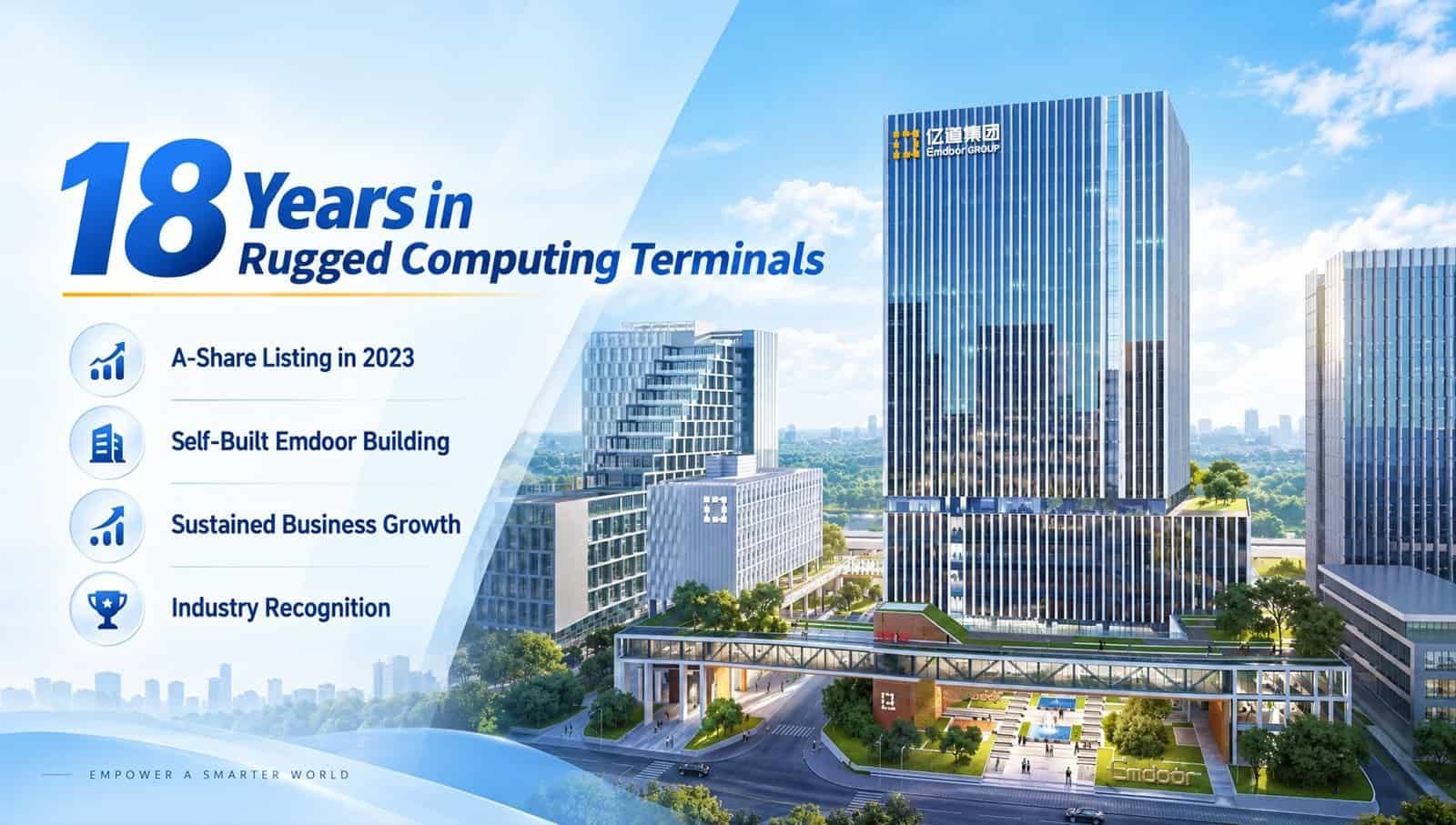
A production terminal becomes useful when it works with the application, equipment and people around it. As Emdoor Information reaches 18 years in 2026, its engineering and manufacturing capabilities offer a useful perspective on how industrial computing projects move from an initial requirement to devices operating in the field.
Established in 2008, Emdoor has developed rugged mobile computers alongside vehicle terminals and industrial panel PCs. The underlying work extends beyond selecting a processor or display: mechanical design, interfaces, software behavior, production validation and maintenance all influence the result. For the Emdoor IPC audience, the anniversary is an opportunity to look at those connections and what they mean for system integrators, equipment builders and deployment teams.
Define the workflow before choosing a platform
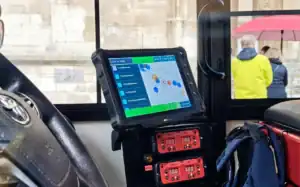
An industrial computer may sit beside a machine, travel with a vehicle or accompany an engineer between work sites. Each setting changes the requirements. An operator interface needs to fit the control process. A vehicle terminal has to work with its mounting arrangement and connected equipment. A field device must support data capture and the handover of records to the wider system.
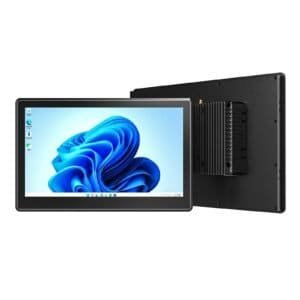
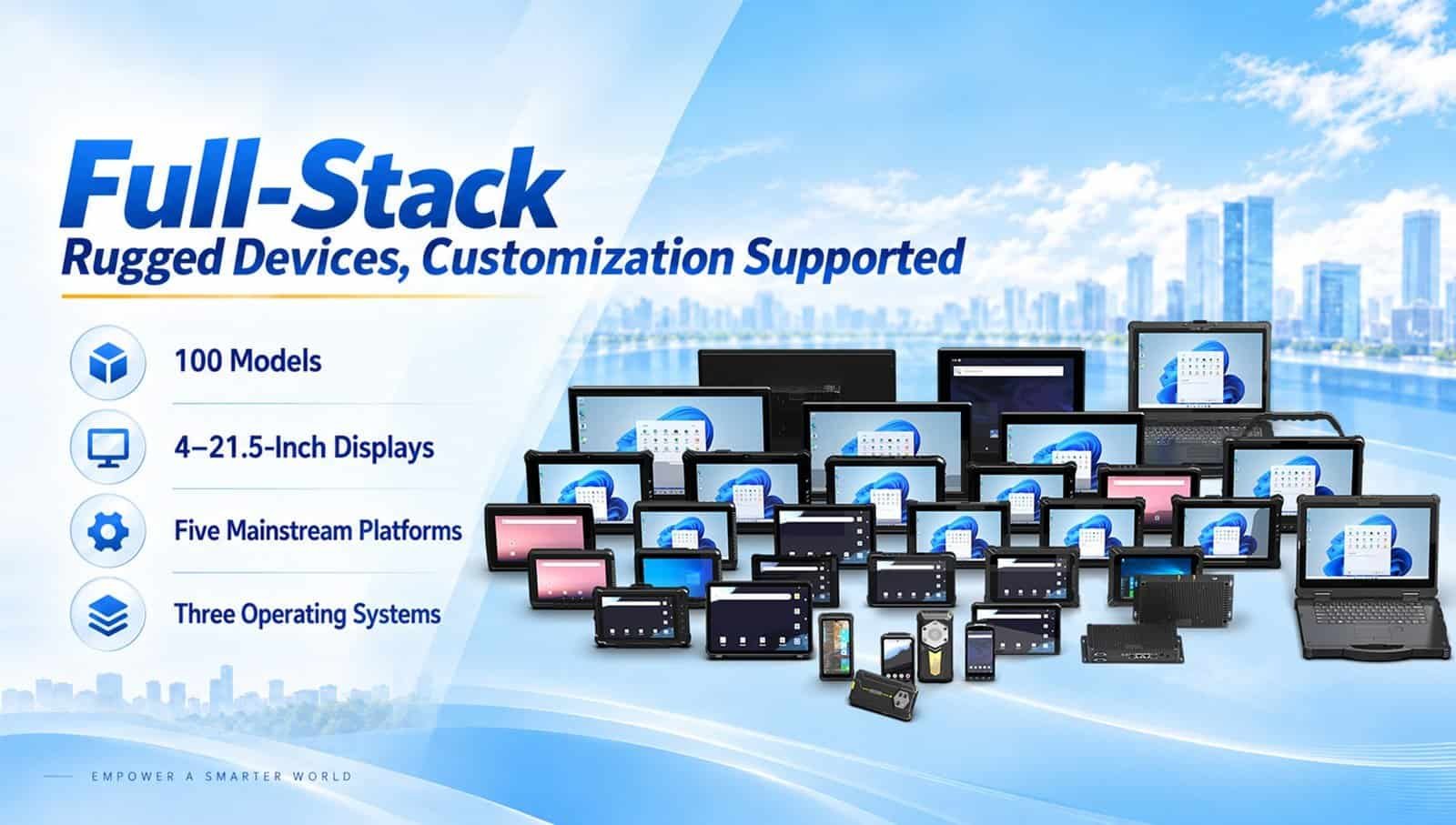
Emdoor’s portfolio covers rugged handhelds, tablets and laptops, vehicle-mounted computers and industrial panel PCs, with display sizes from 4 to 21.5 inches. Intel, AMD, Qualcomm, MediaTek and Rockchip platforms, together with Windows, Android and Linux options across the portfolio, provide different starting points. Platform and operating system availability depend on the model.
The practical selection question is how the complete configuration fits the workflow. Application compatibility, required connections, installation space, power arrangements and expected service conditions should inform the shortlist. The Emdoor IPC product range can then be evaluated against that brief.
Carry engineering decisions into production
A successful prototype is a milestone on the way to a repeatable deployment. Connector positions, enclosure changes and peripheral choices also affect assembly, testing and servicing. A clear configuration record helps the team understand which hardware and software combination has been validated.
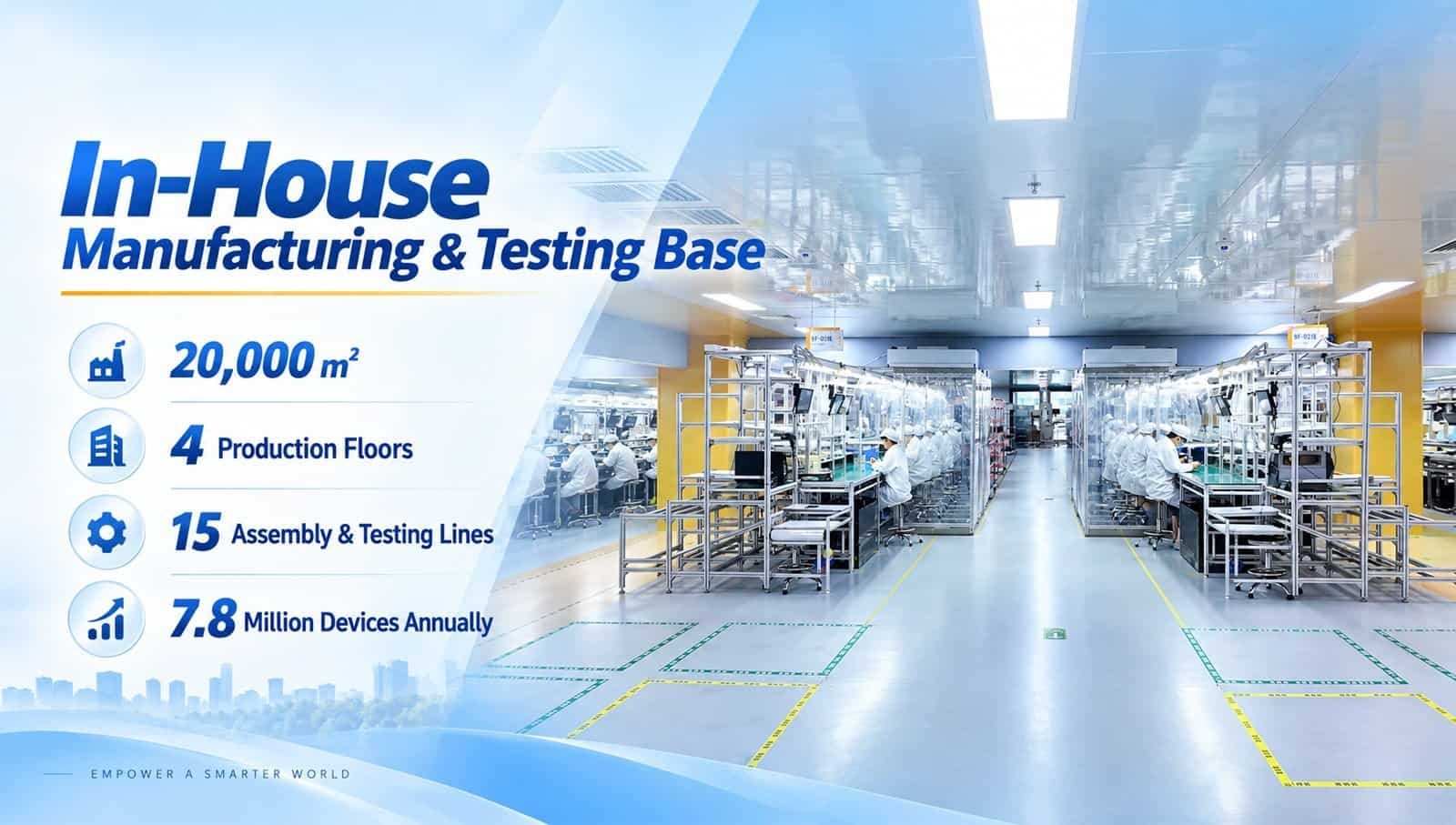
Emdoor’s internal development spans industrial design, structural engineering, hardware architecture, software integration and validation testing. Its self-built headquarters brings R&D together with a 20,000-square-meter intelligent manufacturing base containing four production floors and 15 integrated assembly and testing lines. This connection allows design and production teams to examine changes within the same operating organization.
Manufacturing Execution Systems support production traceability, while automation, including AI-assisted visual inspection, contributes to quality control. For an IPC project, these capabilities provide a basis for discussing assembly requirements, inspection points and the transition from an approved sample to a production batch.
Validate the installed configuration
Industrial reliability is influenced by the way a device is installed and used. The enclosure, connectors, cables, mounting and operating environment all belong in the validation discussion. A specification sheet is the beginning of that discussion; the project team still needs evidence relevant to its chosen configuration.
Emdoor’s testing capabilities cover water resistance, drop testing, environmental simulation and mechanical durability. Applicable IP ratings and MIL-STD-810 test methods should be reviewed for the selected product. Certifications and approvals also vary by model, platform and destination market.
Integration perspective: identify the expected temperature, moisture, vibration and handling conditions, then confirm the product documentation and any additional project testing required. Include connected peripherals and the installation arrangement in that review.
Connect software and peripherals as one system
The application experience depends on the interaction between the computer and the surrounding system. Barcode scanners, readers, printers and specialist instruments may need drivers, SDKs or application changes. A change in a peripheral can therefore affect more than an interface selection.
Across supported Emdoor devices, software capabilities include physical key remapping, kiosk mode and system controls. SDKs and APIs for supported modules help developers connect device functions with their applications. Mobile Device Management tools can support deployment, batch configuration and remote administration where available.
These functions should be assessed against the proposed operating system and device model. For projects requiring hardware adaptation, software configuration or structural changes, customization discussions can establish the technical scope and the validation work before production is scheduled.
Plan the rollout and the service path together
Repeatable deployment requires attention to supply as well as engineering. Emdoor coordinates procurement through a centralized supply chain management center and maintains strategic inventory for critical materials. Its technology relationships include Intel, Qualcomm and Rockchip. Forecasts, configuration decisions and order quantities still need to be aligned with the project schedule.
Delivery windows should be confirmed for the actual order, taking account of component availability and customization requirements. The same planning discipline applies after installation: repair arrangements, maintenance training, support contacts and issue tracking should be defined while the rollout is being prepared.
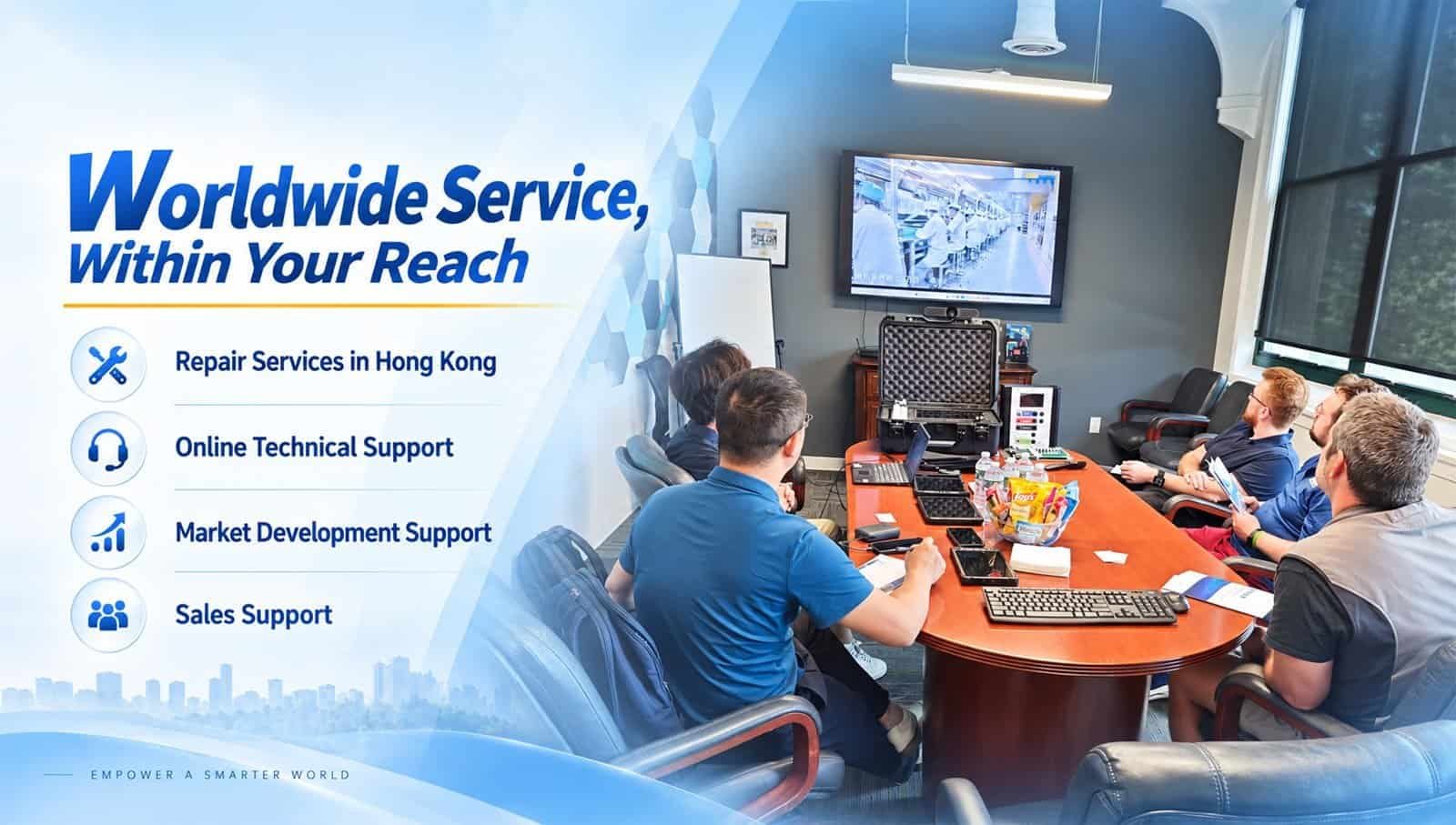
Emdoor provides repair services in Hong Kong and technical assistance through email, its hotline and online support channels. Maintenance training and customer feedback help connect field experience with engineering and service teams. For deployments planned over several years, product availability and support terms should be agreed for the chosen configuration.
The investment behind continued development
Emdoor Information has been listed on the Shenzhen Stock Exchange since 2023 under stock code 001314. It reported 2025 company-wide revenue of RMB 4.583 billion, up 44.15% year over year. These figures cover the listed company’s overall business and should not be read as IPC-only revenue.
R&D personnel account for more than 40% of the workforce, with reported cumulative R&D investment of RMB 964 million over the past five years. For industrial customers, this development activity is relevant to platform selection, adaptation and the engineering discussions that accompany changing application requirements.
Turn the anniversary perspective into a project brief
Eighteen years of experience is most useful when it translates into specific engineering decisions. Before comparing configurations, a project team can document the operating context and the evidence it needs at each stage.
| Project area | What to define with the supplier |
|---|---|
| Workflow | Users, application tasks, operating system and the records or controls involved. |
| Installation | Space, mounting, power, cables and the equipment connected to the terminal. |
| Validation | Environmental conditions, relevant test reports and the configuration to be approved. |
| Rollout | Pilot quantity, forecast volume, configuration control and confirmed delivery schedule. |
| Service | Maintenance skills, repair process, escalation contacts and agreed support terms. |
The Emdoor IPC case studies show how these questions arise in transportation, field engineering and automotive service. Each application provides a starting point for a more detailed conversation about the complete system.
Discuss your industrial computing project
Share the workflow, installation environment, interfaces and deployment volume so the team can assess a suitable platform and integration path.
Talk to Emdoor IPCCompany background and anniversary images are based on Emdoor Information’s 18-year anniversary announcement. This Emdoor IPC edition adds a project and system integration perspective. Product capabilities, certifications and service terms depend on the selected model and agreed project scope.