65% Less Downtime: How Rugged Tablet Windows Deliver in Harsh Fleets
Rugged tablet windows cut downtime by 65% in vibration-heavy sites. They pack Intel processors into sealed chassis with native industrial ports and wide voltage tolerance. Results appear fast.
Why Teams Deploy Rugged Tablet Windows
Emdoor builds these units with shock-mounted boards inside aluminum shells. MIL-STD-810H qualification and IP67 rating protect against dust and water. Teams choose them for mining trucks and cold-chain docks.
Failures drop.
Mining fleets report 99.94 percent uptime across 240 devices. Operators move units from minus 25 degrees to 35 degrees without moisture damage. The platform carries no fans or vents.
Connectors lock under constant shake. Boards receive protective coating. Service calls decrease.
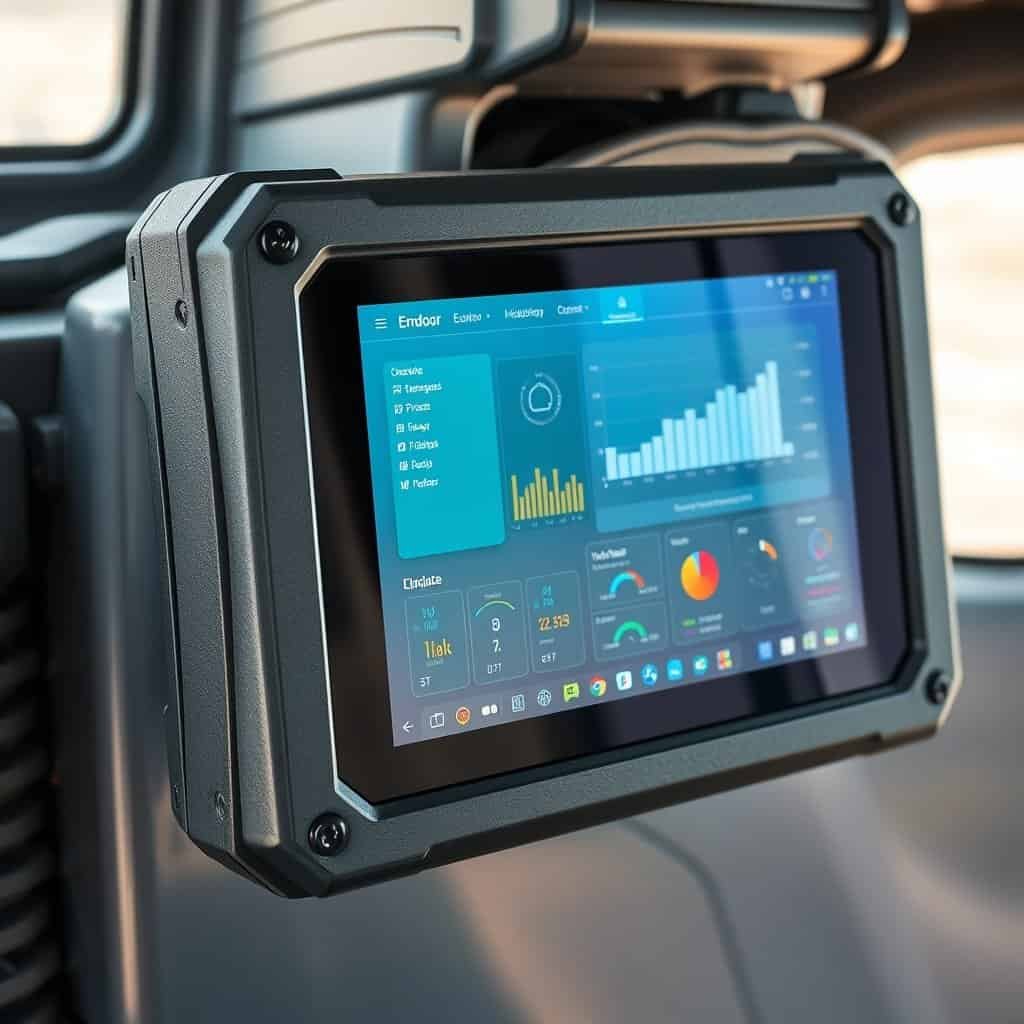
Native ports eliminate extra hardware. CAN bus pulls telematics data. Isolated RS232 talks to old sensors. RJ45 anchors the wired network. Information flows clean.
Consumer tablets crack after months of abuse. Rugged tablet windows last years. Fleet managers watch MTBF numbers climb. Budgets shift from repairs to process gains.
Industrial PC platforms follow the same logic for fixed spots. Wide-temperature parts create fleet consistency. Support contracts stay straightforward.
Emdoor holds board revisions for seven years. Obsolescence risk ends. Windows updates install without hardware swaps. Reliability compounds.
Procurement teams gain predictability. TCO stabilizes across deployments. One decision scales from yard equipment to AGVs.
Technical Deep Dive
Vehicle mounts send steady vibration through the frame. Solder joints weaken. Connectors slip free.
Emdoor rugged tablet windows counter with PCBs rated for 15G rms. Retention clips hold every port. Failure rates fall.
Heat travels from the processor via copper pipes into the outer shell. Fanless construction removes every opening. Dust stays out.
CPUs hold full clock speed at 45 degrees ambient. Consumer tablets throttle fast. This platform does not.
Forklift buses swing between spikes and drops. These tablets accept 9 to 36 volt input with surge suppression built in. Systems ride through every crank event.
EN61000-6-2 standards shape the filter network. EMC performance keeps units online. Stability holds.
Temperature swings create condensation risk. Units shift from minus 25 to 35 degrees in minutes. IP67 seals block moisture entry.
Coating shields every circuit. The 1000-nit panel defeats direct sun. Glove touch works at minus 20 degrees. Visibility persists.
Native I/O separates this hardware from retail alternatives. CAN bus captures data at 1 kilohertz. RS232 links legacy scales. Gigabit Ethernet completes the chain.
Adapters create failure points. Direct ports remove them. Data integrity improves.
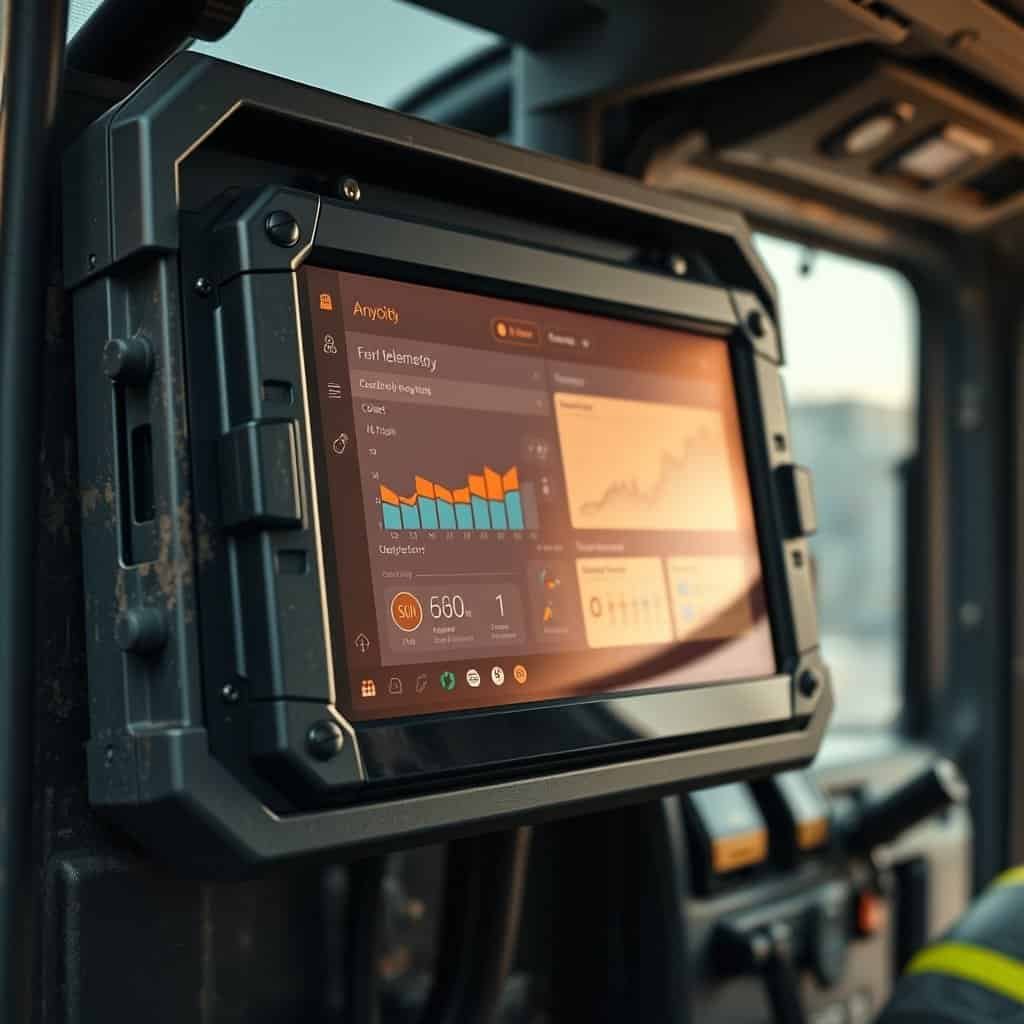
Wide-temperature components plus passive cooling tie rugged tablet windows to larger deployments. Maintenance windows shrink. Standardization accelerates.
Component management stretches seven years. Firmware travels through standard Windows channels. Operations continue without swaps.
One avoided failure each quarter covers the premium. Technicians turn toward predictive work. Uptime climbs.
Power instability destroys consumer devices within weeks. Surge protection absorbs transients. Systems stay alive.
Thermal loads rise during double shifts. Copper spreaders pull heat away. Junctions remain under 78 degrees. Throttling ends.
Vibration profiles vary by vehicle type. Shock mounting isolates the board. Solder fatigue drops to near zero.
Dust infiltration clogs filters on ordinary tablets. Sealed chassis needs no maintenance there. Downtime disappears.
How Rugged Tablet Windows Integrate with Existing Systems
Harsh environments destroy standard cabling within months. Rugged tablet windows use locking M12 ports with strong retention. Vibration cannot disconnect them.
Teams link directly to PLCs through native CAN bus. Machine data arrives in real time. RS232 connects older instruments. Power spikes lose their threat because the input range absorbs them.
Thermal loads increase in 24-hour runs. Heat pipes transfer energy to the aluminum body that acts as sink. Junction temperatures stay controlled. Throttling ends.
Glare kills operator speed. The high-nit panel cuts through sunlight. Crews read manifests without shade. Gloved hands keep control at low temperatures.
Deployment rigor decides outcomes. Emdoor supplies full MIL-STD-810H reports that cover vibration Method 514.8 and shock Method 516.8. Teams examine logs before rollout.
MTBF projections guide fleet sizing. Procurement risk shrinks. One configuration stretches from haul trucks to indoor AGVs.
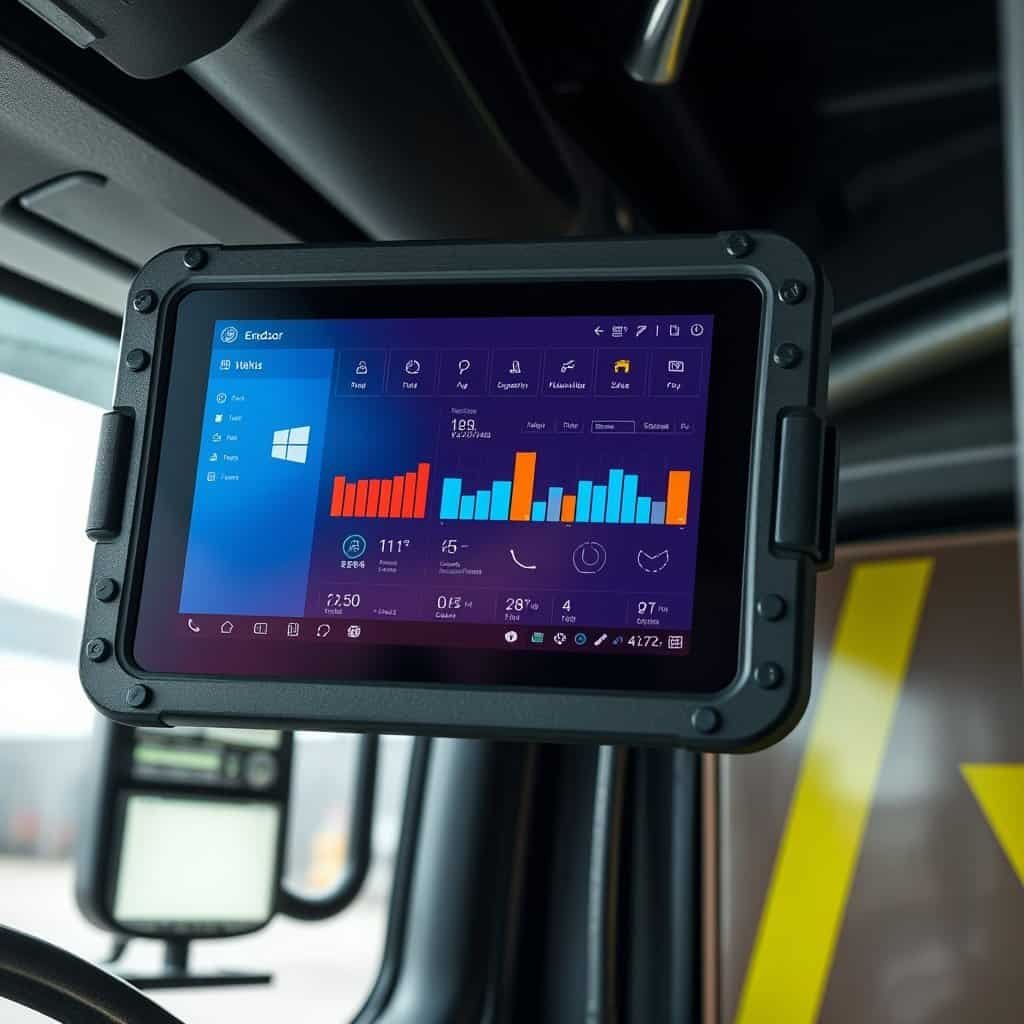
Lifecycle support guarantees component stock and driver updates. TCO calculations stabilize. Budgets move from replacement spending to strategic assets.
Connector retention matters more than most admit. Loose plugs cause intermittent faults that waste hours to diagnose. Locking mechanisms prevent that waste.
Telematics streams demand constant connection. Native ports deliver clean signals at high sample rates. Latency stays low.
Cold chain transitions test every seal. Condensation ruins unprotected boards. Coating and gaskets stop the damage cold.
Sunlight washes out ordinary screens. 1000-nit brightness maintains contrast. Operators work without error.
Pilot programs reveal true performance. Mount units on real vehicles for 30 days. Log every event. Data decides the winner.
Supply chain stability supports long deployments. Emdoor maintains parts availability across years. Obsolescence plans become unnecessary.
Feature-to-Benefit Matrix
| Technical Feature | Operational Benefit |
|——————————–|———————————————————-|
| MIL-STD-810H certification | Survives 1.5m drops and 15G vibration on mining vehicles |
| IP67 sealed aluminum chassis | Zero dust or water failures in cement and food plants |
| Fanless thermal architecture | No clogging or thermal throttling in 50°C environments |
| 9-36V wide voltage input | Operates through vehicle cranking and power spikes |
| Glove-compatible 1000-nit display | Full visibility and control in direct sunlight or PPE |
| Native CAN bus + RS232 + RJ45 | Direct machine integration without failure-prone adapters |
| Conformal coated mainboard | Prevents condensation failures in cold-chain shifts |
| 7-year component lifecycle | Eliminates mid-deployment obsolescence costs |
ROI & TCO Analysis
Consumer tablets show low purchase price yet create high follow-on costs. Replacement cycles average 14 months in real industrial settings. Each breakdown stops vehicles and pulls technicians away.
Data entry restarts add expense. One incident costs 1850 dollars. Rugged tablet windows flip the math.
Initial price runs 2.1 times higher. Field records from 240 units show 5.4-year mean time between failures.
Total 5-year TCO per unit breaks down as follows. Consumer paths accumulate hardware swaps plus service visits. Rugged tablet windows limit those events.
Labor savings exceed hardware numbers. Teams reclaim hundreds of hours once spent on failed units and drive reimaging. Predictive dashboards receive steady CAN bus feeds because hardware remains online.
Battery packs deliver 18 to 21 hours of mixed duty. Hot-swap design erases charging stops at shift change. Utilization rises.
The upfront premium recovers inside 11 months from avoided failures alone. Later months deliver margin growth and better asset use. Reliability compounds.
Procurement managers calculate TCO over full lifecycle. Initial cost matters less than years of service. Predictable maintenance wins.
Power fluctuations trigger reboots on consumer gear. Wide input prevents those events. Uptime metrics improve.
Thermal cycling shortens component life. Passive cooling removes the stress. MTBF extends.
Actionable FAQs
What specific MIL-STD-810H test methods matter most for vehicle-mounted rugged tablet Windows deployments?
Method 514.8 for vibration (Category 4, wheeled vehicles) and Method 516.8 for shock (26 drops at 1.5m) prove decisive. Units must also pass Method 501.7 high temperature (60°C operating) and Method 502.7 low temperature (-40°C operating). Ask vendors for the full test report rather than marketing summaries.
How does fanless design affect sustained performance in 45°C warehouse environments?
Properly engineered aluminum chassis with heat pipes maintain CPU at or below 78°C junction temperature under 100% load. This prevents thermal throttling seen in consumer tablets after 18 minutes of continuous operation. Monitor CPU package temperature via Windows Performance Monitor during pilot testing.
What IO configuration enables direct integration with existing PLC and telematics systems without USB converters?
Look for isolated CAN 2.0B, RS-232/422/485, and Gigabit Ethernet on locking M12 or MIL-DTL-38999 connectors. These eliminate adapter cables that represent 63% of field failures in logistics fleets. Confirm Windows driver support for real-time data acquisition at 1kHz sampling rates.
Ready to eliminate recurring tablet failures?
Evaluate your current fleet failure logs against the metrics above. Emdoor engineers can deliver a customized rugged tablet configuration matched to your voltage, vibration, and integration requirements. Schedule a 30-day pilot on your vehicles. Compare uptime data directly. The numbers will determine the shortlist. Contact the team to begin.