6 Metrics That Make or Break Your Industrial PC vs PLC Strategy
Factory floors generate unprecedented data volumes. The industrial pc vs plc decision determines whether your operations advance toward predictive models and digital twins or stay trapped in rigid legacy constraints. Hardware choices cast a long shadow.
Technical Deep Dive
Hybrid control architectures deliver the clearest path forward. Hard PLCs safeguard critical safety loops. Industrial PC platforms absorb sensor fusion, edge analytics, and machine learning tasks. This division preserves determinism where it matters. It unlocks compute power.
Environments punish weak components daily. Forklifts transmit constant vibration. Dust infiltrates enclosures. Cold-chain shifts swing temperatures dramatically. Power instability strikes without warning.
Fanless designs eliminate moving parts. Wide-voltage input tolerates fluctuations. Surge protection and locking connectors prevent unplanned resets.
Such engineering details separate systems that survive deployment from those that merely appear adequate on paper. Results show in the field.
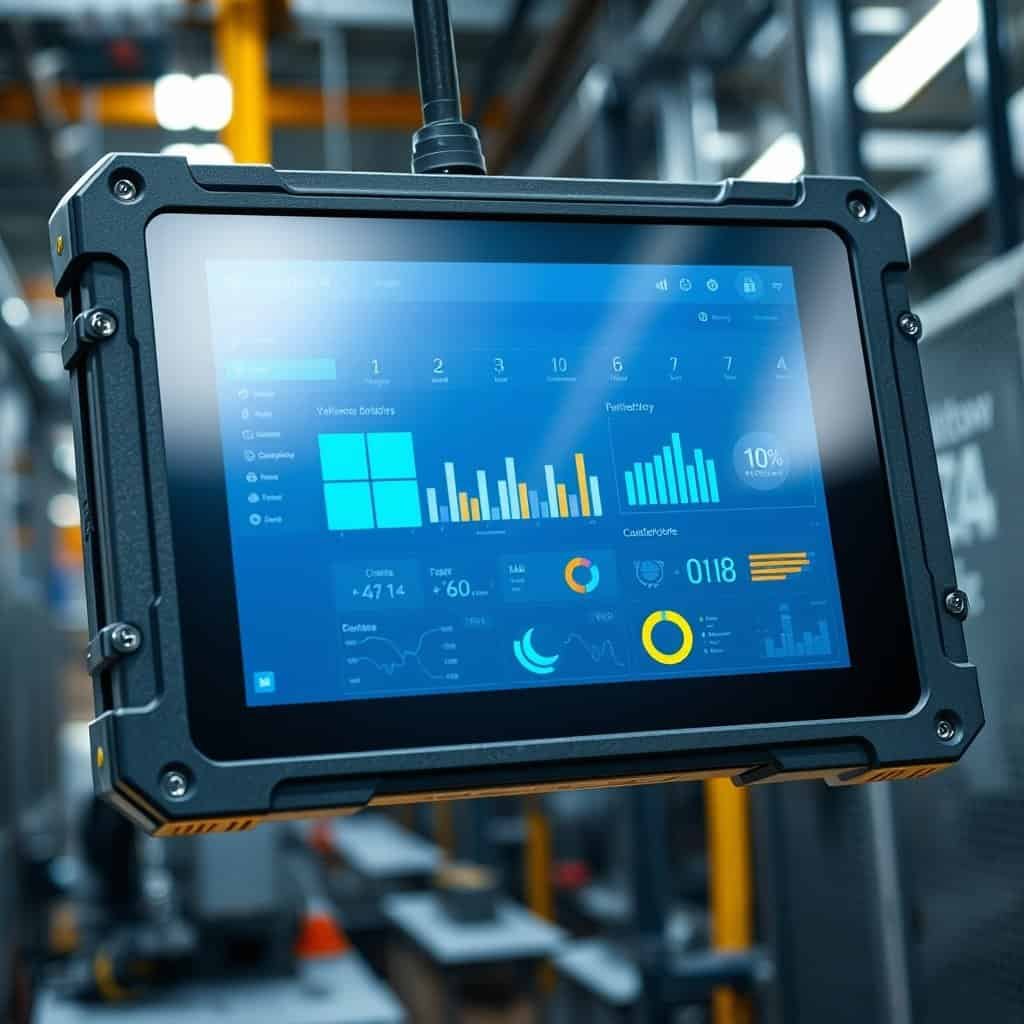
Digital twins demand context that traditional PLCs cannot supply alone. IIoT streams produce massive datasets. Containerized applications on industrial PCs run computer vision and predictive algorithms at the edge. OPC UA servers feed MES and ERP layers without latency penalties. (See OPC UA specifications)
This convergence reflects the new reality of smart manufacturing. Legacy wiring retains value. Modern platforms aggregate data through standard protocols. No rip-and-replace becomes standard practice.
Engineers require flexible I/O. Modular slots accept fieldbus modules, analog cards, and FPGA boards for custom protocols. One platform replaces several legacy boxes. Maintenance windows shrink.
Thermal management creates hidden risk. Consumer-grade processors throttle under sustained load. Industrial-grade components paired with passive cooling deliver consistent performance. MTBF ratings above 120,000 hours reflect this discipline. Systems run for years without intervention.
EMC resilience protects uptime. ESD events occur frequently in warehouses and mining sites. Proper shielding and grounding prevent nuisance resets. These refinements separate field failures from reliable deployments that support long-term automation roadmaps.
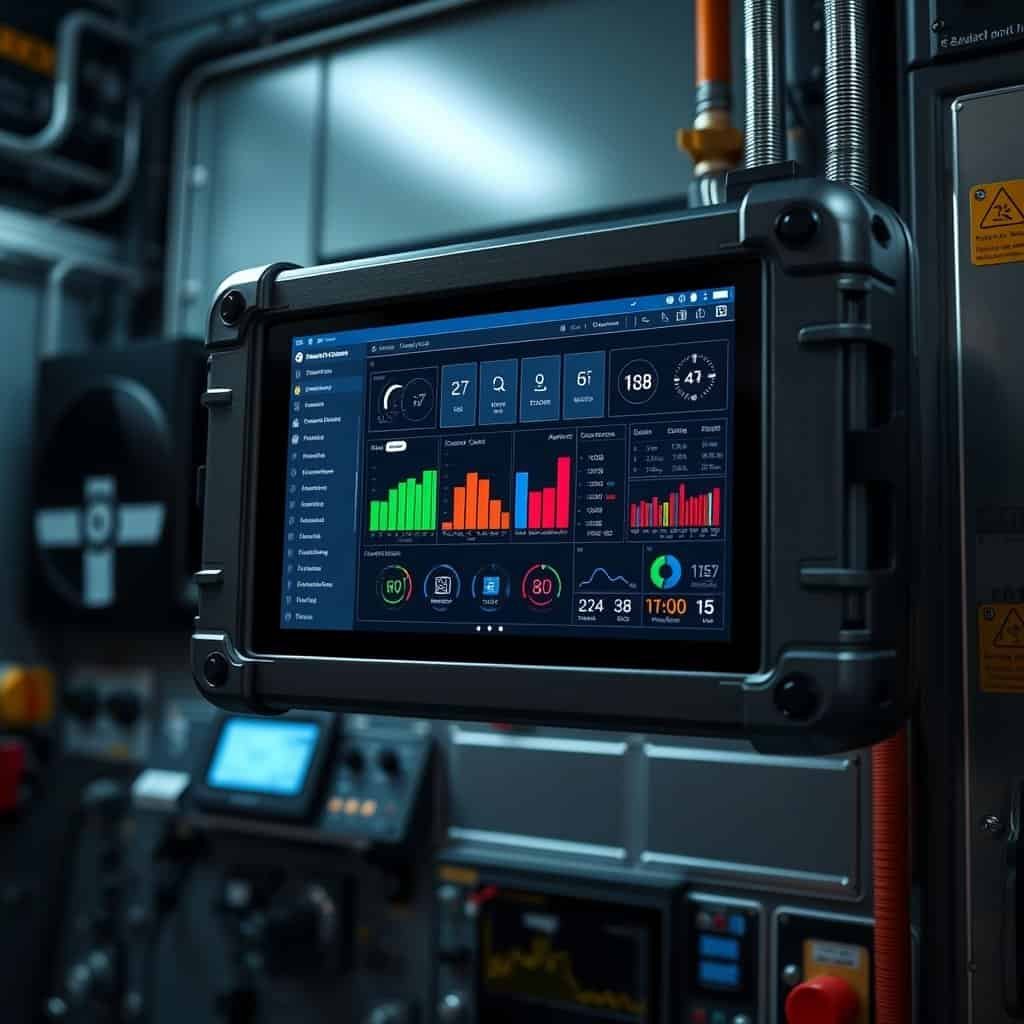
Procurement teams must evaluate openness. Platforms lacking expansion options or protocol support become tomorrow’s bottlenecks. Future sensor deployments or AI model updates should not trigger forklift upgrades or control cabinet redesigns. Plan ahead.
Feature-to-Benefit Matrix
The table below quantifies differences in real deployments. Review each row. Gaps appear quickly.
| Feature | Standard Market Devices | Emdoor Industrial Solutions | Operational Impact |
|—————————–|——————————————|—————————————————–|———————————————————|
| Real-time Determinism | OS scheduling jitter, 10-50ms variation | Real-time kernel extensions with <2ms deterministic scan | Safety logic preserved while enabling predictive models |
| Operating Temperature | 0–35°C typical | -20°C to 65°C fanless operation | No thermal throttling during summer peaks or cold-chain shifts |
| MTBF | ~50,000 hours | 120,000+ hours with industrial-grade components | Threefold reduction in unplanned control-layer failures |
| Environmental Protection | Basic dust resistance | Full IP65, wide-voltage input, reinforced connectors | Survives vibration on forklifts and outdoor mining vehicles |
| I/O Flexibility | Fixed ports, limited expansion | Modular serial, Ethernet, digital/analog, FPGA options | Future sensor additions require zero rip-and-replace |
| AI & Analytics Readiness | Consumer OS limitations | Native support for Docker, Python, TensorFlow Lite | Edge inference runs without cloud latency penalties |
| Lifecycle Support | 18–24 month refresh cycles | 5–7 year stable BOM with revision control | Lower TCO through fewer qualifications and retraining |
This matrix highlights risk transfer. Default choices inflate long-term costs. Purpose-built platforms reverse that trend.
ROI & TCO Analysis
Hardware purchase price represents less than 20 percent of five-year ownership cost. Downtime, integration labor, and repeated qualification cycles dominate the remainder.
CTOs track these numbers closely.
Energy consumption drops with fanless designs. Climate-controlled enclosures become unnecessary. Maintenance visits decline. Spare parts inventories simplify. Vendor management overhead shrinks.
Payback periods typically fall inside 14 months on active production lines. OEE gains compound. Unscheduled stops decrease. The platform absorbs new applications without fresh capital requests.
Procurement leaders value revision control. Stable BOMs protect engineering continuity across multi-year automation programs. Last-time-buy notices arrive with sufficient lead time. Emergency change orders disappear.
Lifecycle alignment matters. Platforms with guaranteed availability match your automation roadmap. Backward-compatible I/O avoids operator retraining. Knowledge gaps stay closed.
Hybrid deployments create additional returns. Richer data feeds predictive models. Quality traceability improves. Line reconfigurations complete faster. Competitors notice the difference in uptime metrics reported to leadership.
Every design choice targets real deployment pain. Lockable connectors prevent accidental disconnects. Wide temperature ratings eliminate add-on enclosures. These decisions reflect decades of field experience.
Common Pitfalls in Industrial PC vs PLC Selection
Many teams fixate on scan times. They overlook data velocity requirements for future analytics. Integration hurdles then delay IIoT projects by quarters.
Others chase lowest upfront cost. Commodity hardware fails under vibration or dust. Replacement cycles accelerate. TCO balloons.
Thermal management receives insufficient attention. Forced-air fans pull contaminants inside cabinets. MTBF collapses. Service calls multiply.
Lifecycle ignorance creates larger problems. Short support windows force mid-project redesigns. Engineering resources stretch thin.
Integration teams repurchase adapters repeatedly. Lack of locking mechanisms causes intermittent faults. These small issues erode operator trust in the entire automation layer.
Forward-looking teams avoid these traps. They evaluate environmental resilience first. Openness for future workloads follows. Hybrid thinking guides the blend between PLC determinism and industrial pc intelligence.
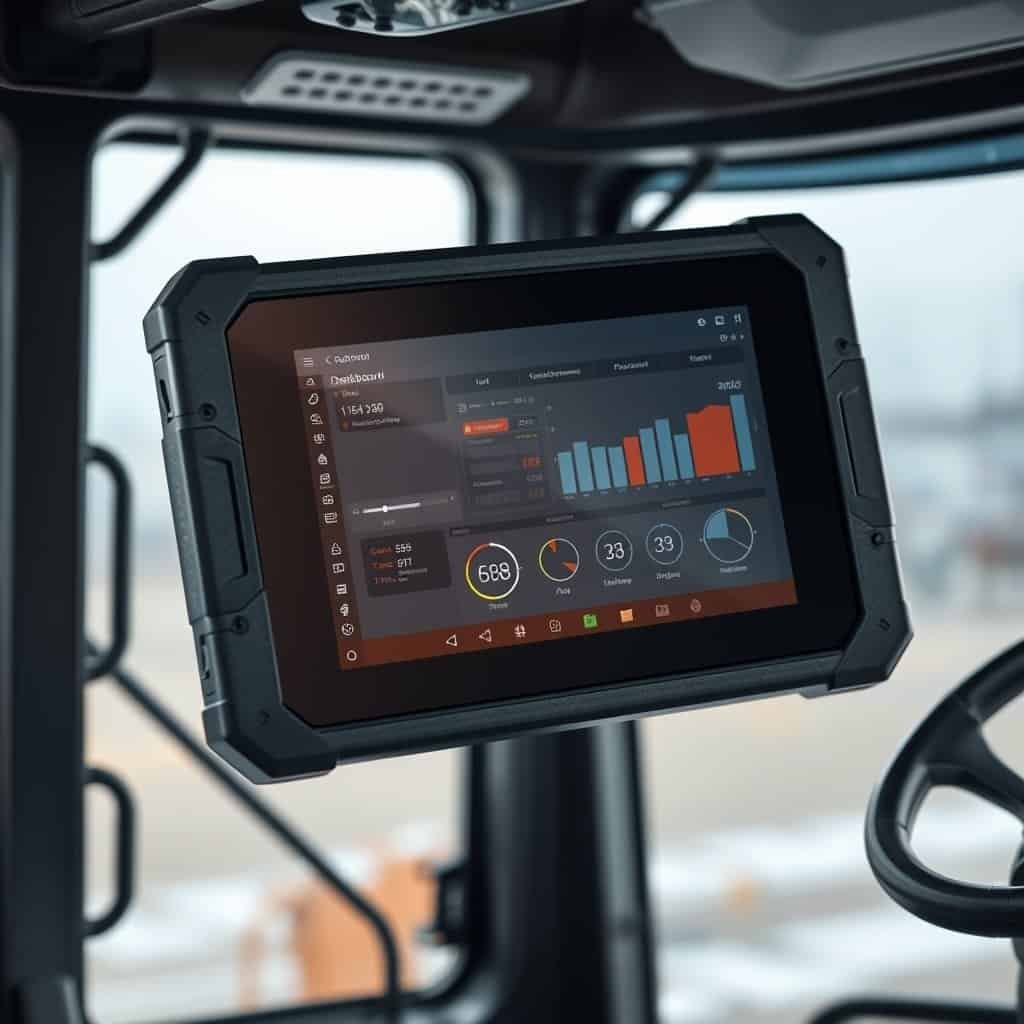
A rugged tablet often complements the architecture for mobile diagnostics and real-time visualization on the plant floor.
Actionable FAQs
What real-time performance can industrial computers achieve compared to traditional PLC scan rates?
Modern industrial PCs with real-time extensions deliver deterministic scan times below 2 ms, sufficient for most non-safety-critical loops. Hard PLCs retain advantage only in sub-millisecond SIL-rated applications. Hybrid designs use each where most appropriate.
How do Emdoor industrial PCs handle integration with existing PLC investments during digital transformation projects?
Emdoor platforms support all major industrial protocols including EtherNet/IP, PROFINET, Modbus TCP, and OPC UA. This allows seamless data aggregation from legacy PLCs while offloading analytics and visualization workloads to the more powerful computing layer. No rip-and-replace required.
What environmental specifications should automation teams demand when evaluating industrial pc vs plc for outdoor or mobile applications?
Demand fanless operation across at least -20°C to 65°C, IP65 ingress protection, wide voltage input tolerance (9-36V typical), and MIL-STD vibration ratings. These parameters ensure the platform survives conditions that destroy standard equipment and eliminate the need for additional protective enclosures.
The window for competitive differentiation through superior automation architecture narrows each quarter.
Evaluate your current industrial pc vs plc infrastructure against the criteria above. Identify loops where soft control can accelerate innovation without compromising safety. Then engage partners who combine technical depth with documented long-term lifecycle commitment.
Contact the Emdoor engineering team today for a tailored automation readiness assessment. The discussion will reveal exactly where your existing setup supports future goals and where targeted upgrades will deliver fastest returns.
Decide with clarity.